.webp)


Customers usually tend to be loyal to the companies that are adhering to eco-friendly practices.

Fulfill all the environmental goals that you have defined by delivering sustainable packaging to the customers in the market

Customers usually tend to be loyal to the companies that are adhering to eco-friendly practices.

Let’s start with the basics. What exactly is a carbon-neutral business? A business will be able to achieve carbon neutrality by calculating the overall carbon footprint it leaves on the environment and taking appropriate measures to reduce that up to zero. When the overall carbon footprint left by a company in the environment reaches zero, it will be able to become a carbon-neutral business. Numerous approaches are available for a company to become carbon neutral. They include a combination of internal practices as well as external practices. After becoming a carbon-neutral company, it will be provided with a transparent and rigorous framework to go ahead with business ventures. In other words, it will be able to offer carbon-neutral products and services to the market.
.webp)
Your packaging is supplied by inthebag.com.
inthebag.com achieved carbon neutrality by reducing the carbon footprint to zero through contributing various efficiency measures in-house and supporting external emission reduction projects.
This means that inthebag.com has achieved carbon neutrality in line with The CarbonNeutral Protocol. And the packaging provided by the company is partnered with inthebag.com for their packaging.

Located in Greater Dhaka, Bangladesh, this project reduces natural gas leaks from a gas distribution network in Bangladesh through the use of an advanced leak detection and repair program. Natural gas is a potent greenhouse gas and the technology is available to detect and repair pipeline leakage. But, without carbon credit revenue, deploying that technology would not be economical (or otherwise required) in Bangladesh. Beyond being highly additional and conservative with its emission reduction calculations, this project also supports the safety and well-being of local communities by improving their access to a cleaner source of energy.
Learn More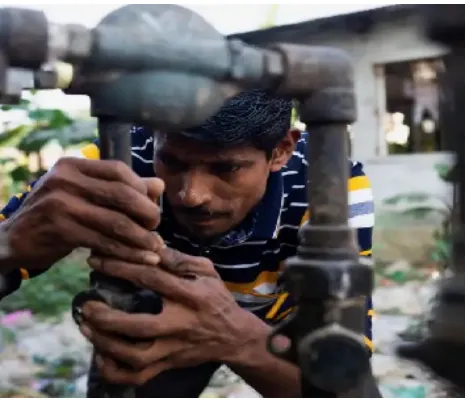
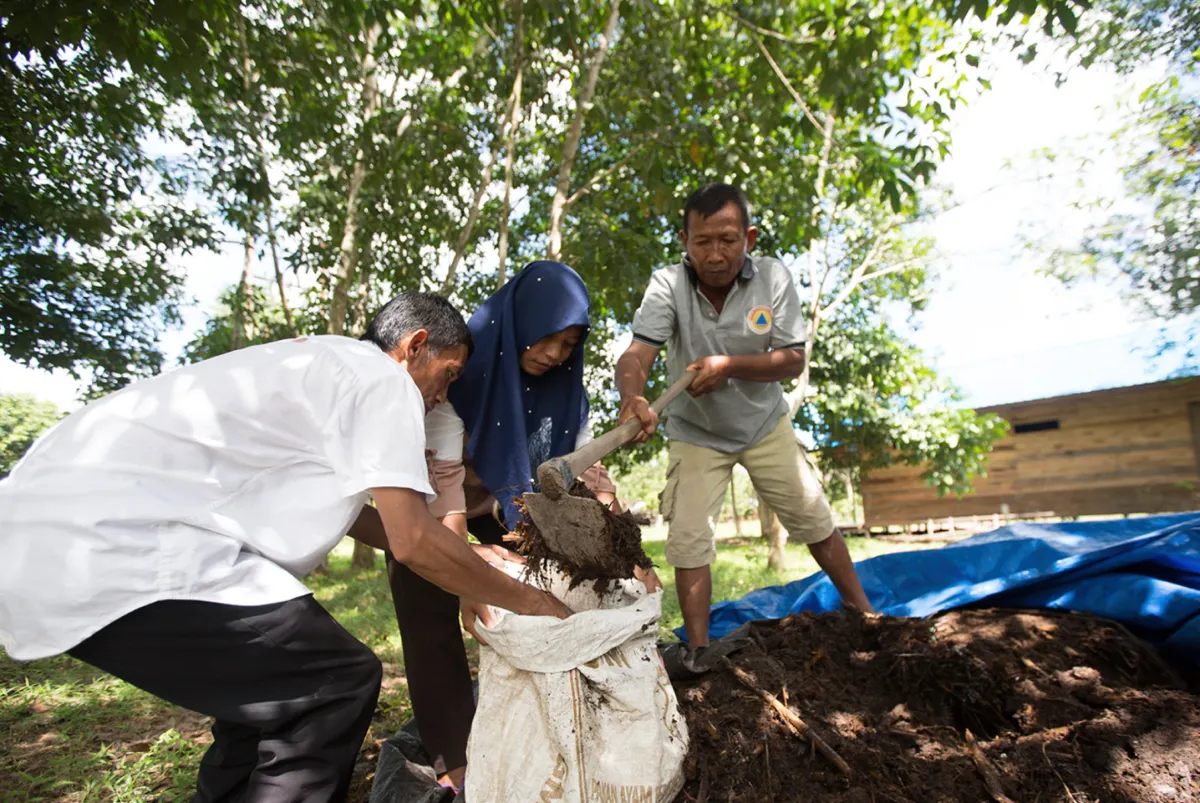
The Katingan Mentaya Conservation project protects and restores 149,800 hectares of peatland ecosystems in Indonesia. The surrounding land was drained and converted to palm and other plantations, and the project prevents the protected area from the same fate. The are is a vitally important and dense carbon sink. While peatlands represent only 0.3% of the earth’s surface, their destruction contributes between 2-5% of annual anthropogenic greenhouse gas emissions. Katingan is one of the highest regarded, large-scale avoided deforestation projects in the world.
Learn MoreThis project supports collection of landfill gas and generation of more than 51MW of electricity at the Odayeri and Komurcuoda landfill sites near Istanbul in Turkey. Like most landfills, these sites throw off methane as some of the waste decomposes. Credits are generated from two pieces of the project: (1) avoiding the emissions of methane (a potent greenhouse gas) into the atmosphere and (2) using the power generated from the methane (natural gas) to displace dirtier coal-fired power coming from the electric grid. The project clearly required carbon revenues to achieve these two goals and therefore generates high-quality carbon offsets.
Learn More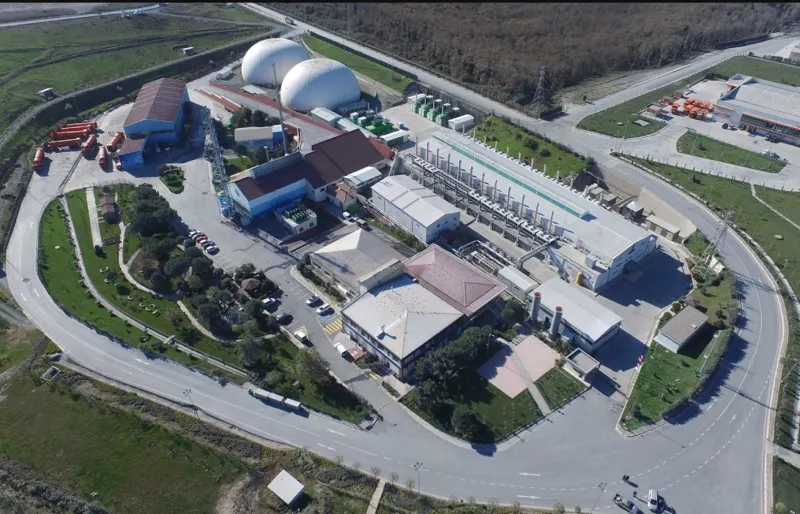
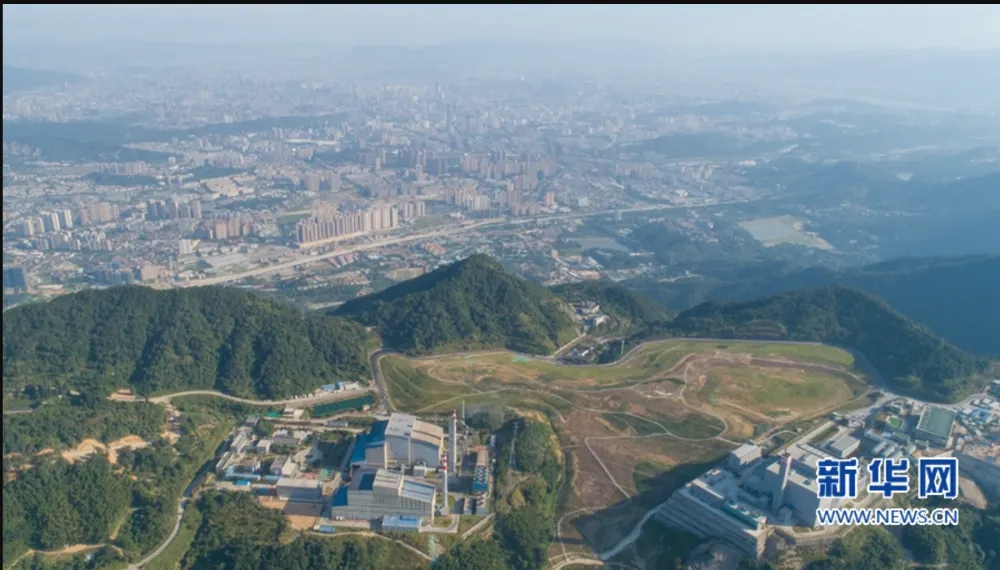
This project supports collection of landfill gas and generation of 2.5MW of electricity at a landfill in Fuzhou City in Fujian Province in southeastern China. The landfill received waste from 1995 until 2008, and—like most landfills—throws off methane as some of that waste decomposes. Credits are generated from two pieces of the project: (1) avoiding the emissions of methane (a potent greenhouse gas) into the atmosphere and (2) using the power generated from the methane (natural gas) to displace dirtier coal fired power coming from the electric grid. The project clearly required carbon revenues to achieve these two goals and therefore generates high quality carbon offsets.
Learn MoreThis project is protecting over 83,000 hectares of biodiverse tropical forests from intensive logging. The project area is creating jobs, supporting the regrowth of logged forests and fostering biodiversity. The project area is known to support populations of elephants, banteng, orangutan, and endangered bird species including the Helmeted Hornbill, Bornean Peacock Pheasant and Storm’s Stork.
Learn More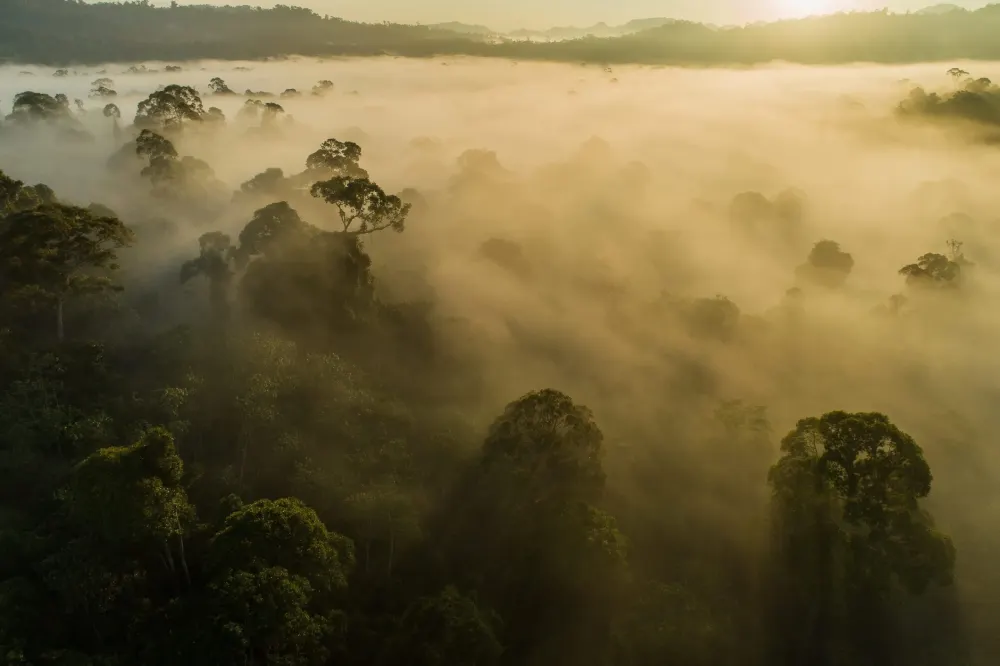

This project focuses on Improved Forest Management through strategic interventions in forest ecosystems. It aims to enhance sustainability by implementing regeneration practices that improve tree mass structure and maintain forest coverage. The project emphasizes maintaining the functional integrity of ecosystems while implementing silvicultural treatments and Forest Stewardship Council (FSC) monitoring protocols to ensure proper forest management.
Learn MoreThis project converts invasive bush into biochar, delivering permanent carbon removal while restoring the local savannah ecosystem. The project has already removed nearly 15,000 tonnes of CO₂ and aims to remove 329,000 tonnes by 2030. The project’s biochar is given to local farmers to enhance their soil’s health and boosts crop yields.
Learn More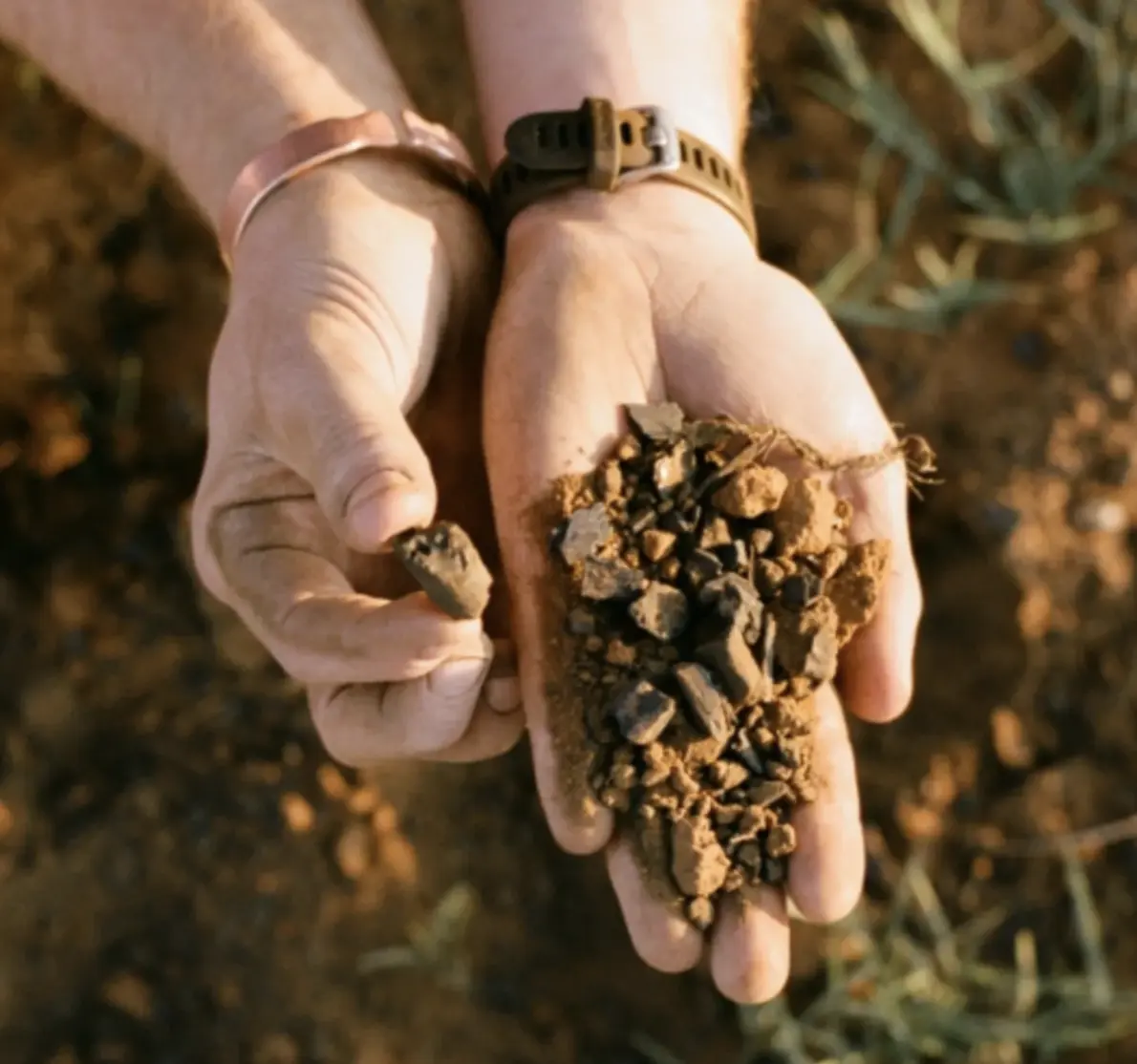

Carbon neutral means balancing your carbon footprint to zero. An organization achieves this by actively reducing their greenhouse gas emissions as much as possible and then balancing the remainder by funding projects that remove or prevent an equal amount of carbon from the atmosphere. As businesses worldwide strive to reduce their environmental impact, carbon neutrality has become a major goal for companies across industries—including beauty, fashion, and consumer goods. With climate-conscious consumers demanding more sustainable products, earning a carbon neutral certification is a powerful way for brands to prove their commitment to reducing greenhouse gas emissions. Typically, a company calculates its total carbon emissions through its supply chain operations, or product lifestyle, develop plans to reduce by implementing strategies to lower emissions, offsets by investing in verified carbon offset projects that remove or prevent CO2 emissions. A company can work with a third-party certification body to verify neutrality and earn an official carbon neutral certification.
Today’s consumers prefer eco-conscious brands. Carbon Neutral certification reassures them of Consumer Trust & Brand Value as a company takes meaningful steps to reduce its environmental footprint. Reducing emissions often means lower energy costs, less waste & improved operational efficiency. A carbon neutral certification differentiates a company’s brand in the marketplace, giving them a competitive advantage and helping attract eco-conscious customers and investors. Finally, it gives a company chance to work with major corporate and retailer standards who are prioritizing brands with verified sustainability credentials.
In certain countries or sectors that are pushing for reduced and efficient GHG emissions, organizations may be granted carbon credits. Carbon credit is an allowance for carbon emissions which, if not used fully, can be sold or traded on the carbon market. For example, a company that switches to using a renewable energy source may have leftover available emissions, which it can trade or sell to another organization that needs to emit more carbon than permitted with its available carbon credits.Carbon credit is a financial instrument that represents the reduction or removal of carbon dioxide from the atmosphere. These credits are issued to projects that reduce or remove greenhouse gas (GHG) emissions and are universally measured in metric tonnes of carbon-dioxide equivalent emissions (tCO2e). Each credit is part of a vintage, which is the year in which the emission reduction or removal that the credit represents occurred. Carbon credits are sometimes referred to as carbon offsets because they can be used to compensate for an equivalent emission elsewhere, with the goal of achieving carbon neutrality or meeting regulatory requirements. Once a credit is used to offset emissions or meet compliance obligations, it is permanently retired in a registry to ensure that it cannot be used again, preventing double counting of its climate benefit.
The science of climate change is unequivocal. According to the Paris Agreement, we need to transition the global economy to net zero by 2050 to avoid the most severe consequences of climate change. But we cannot just flip a switch and transition to a zero-carbon economy. Entire sectors of the economy like power generation and construction require significant investment, and in some cases, invention, before they can become zero carbon. Individual actors like corporations have limited resources and may not be able to reduce the entirety of their value chain emissions immediately or even over the next 10-20 years.Carbon credits can support emissions reductions or removals in one place while emissions continue elsewhere. They do not directly reduce emissions at the source where they are used. Their real-world impact depends on the integrity of the project generating them and on whether credits are used alongside genuine efforts to reduce emissions, rather than instead of them. By purchasing high quality carbon credits, companies and other actors can immediately reduce their carbon footprint, beyond what would otherwise be financially or even technologically feasible. That is why organizations like the Climate Pledge and Oxford Net Zero recognize that carbon credit is critical to any path towards a net-zero future. Purchasing carbon credits also provides the necessary support for critical technologies to scale so that we can meet global climate change goals. Of course, purchasing carbon credits to compensate for emissions should never be done in place of directly reducing emissions within your value chain. Instead, they should be used to compensate for emissions that are not yet possible to mitigate.
Beyond the successful ambition in achieving Fairtrade and FSC environmental accreditations, we believe it is our responsibility to continue taking more stronger, decisive and inclusive steps to mitigate our impact on the climate. We’re committed to our ambitious, science-based goals to become carbon neutral across our value chain. Our aim is to reduce our greenhouse gas emissions before balancing the remaining emissions with carbon credits that adhere to rigorous international standards. And we’re directing our efforts toward decarbonizing the largest sources of greenhouse gas emissions that are reducing waste and ensuring the ethical sourcing of materials through designing sustainable packaging that minimizes environmental impact, optimizes resource use, and promotes a circular economy. For In The Bag Company’s support in fighting the impacts of Climate Change, it is essential to know the amount of GHG we emit through our activities over a year. Then, we must fund carbon emission reduction projects that have offset as many tons of GHG as we have emitted over the year, so that our net carbon footprint becomes zero. To become carbon neutral, purchasing carbon credits is necessary. Therefore, In The Bag is proud to partner with CNaught, which is a globally popular carbon credit marketplace. Since 2022, it has retired more than 10,000 carbon credits towards innovative projects. With CNaught, we have purchased a diversified portfolio of high-quality carbon credits that are designed to maximize impact, mitigate risk, and foster innovation. A portfolio approach to carbon credits is recommended by the World Economic Forum, and the CNaught portfolio embodies the science-based best practices laid out in Oxford’s Principles for Carbon Offsetting. This partnership reflects our continued dedication to improving environmental sustainability.
In The Bag follows the Greenhouse Gas Protocol, which is the primary Standard for reporting GHG emissions. It provides basic guidelines for how companies should assess the carbon emissions associated with their own operations, as well as their upstream and downstream value chains. Emissions are categorized into three scopes:SCOPE 1 emissions are those generated directly from an organization’s operations. Examples include emissions from vehicle fuel combustion, the use of fertilizers in farming, or the combustion of other energy sources by the organization itself. SCOPE 2 emissions are the emissions linked to the production of energy that the organization consumes. This mainly involves the burning of coal at power stations to generate electricity for organizational use. It also includes the production of fuels and steam used by the organization.SCOPE 3 emissions encompass indirect emissions both upstream and downstream in an organization’s value chain that aren’t covered by Scope 1 and 2. This includes emissions related to the supply chain, such as those associated with the consumption of goods and services, commercial air travel, waste disposal, leased assets, and more.
In an era of climate disasters and dire predictions about the future of our climate, concrete climate action is required to mitigate eco-anxiety, protect mental health, and restore optimism and the ability to unite. Showcasing our pledge to fight climate change, we are committed to be a Carbon Neutral certification. This way we are offering a simple, immediate, and effective means of contributing to a stable and prosperous climate. We are reinforcing our image as a responsible leader, aligned with rising sustainability and Environmental, Social and Governance expectations, while inspiring others like you to follow suit. Every action counts! Together, we make a difference.
.webp)
.webp)